Gold Slips Below $4,000 on October 23: Why Rising Oil Complicates the Fed Outlook
Gold traded near $3,998.35 per ounce in a Friday Reuters snapshot and December US futures settled near $4,007.90. Learn what yields and oil mean for XAU/USD.
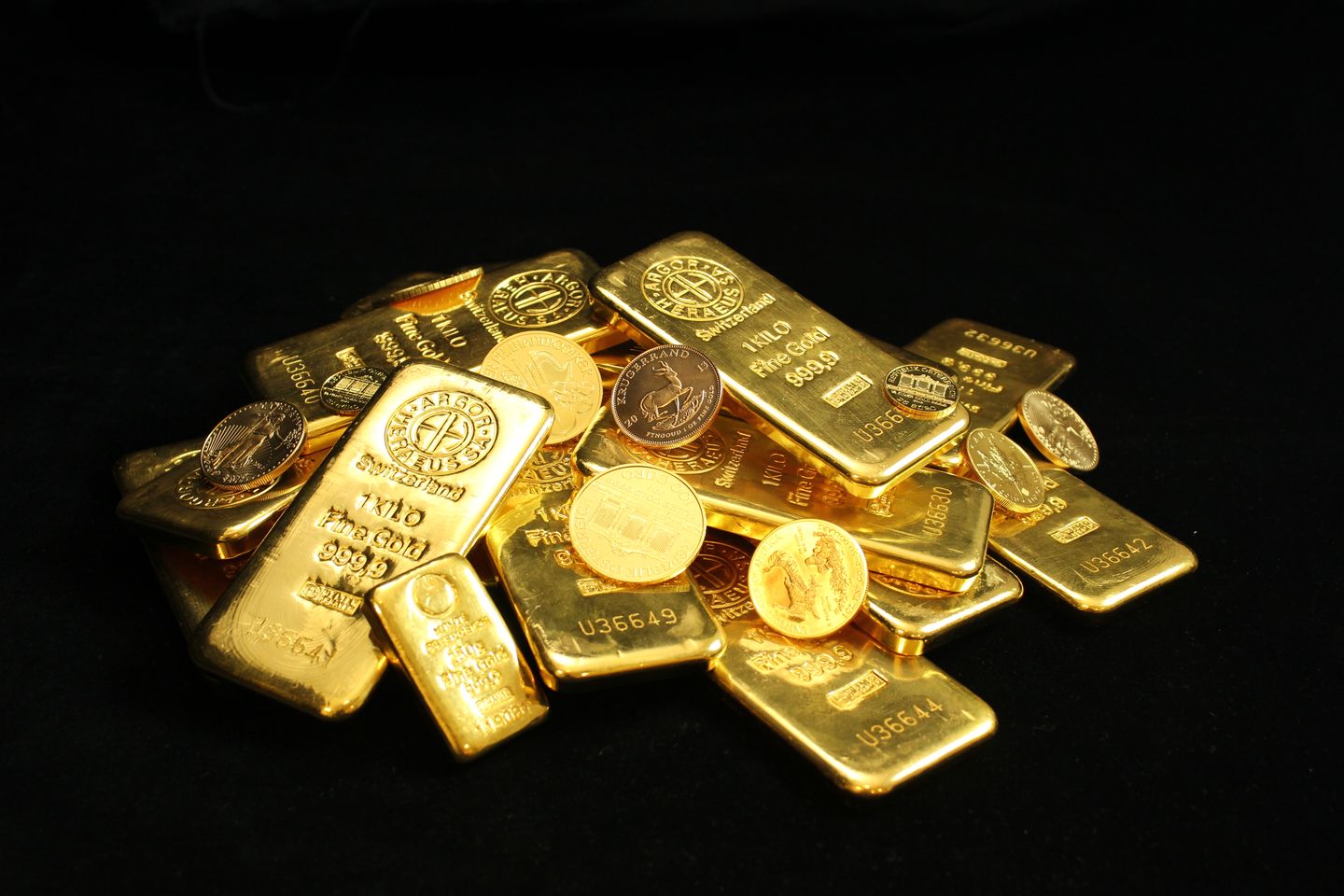
Gold traded below the psychologically watched $4,000-per-ounce level on Friday, October 23, 2026. In a Reuters dispatch carried by Kitco, spot bullion stood near $3,998.35 by 11:20 a.m. US Eastern time, after touching a session low of $3,975.23. Separately, US December gold futures settled around $4,007.90. The spot observation and futures settlement are different instruments recorded at different times; neither is a live quote on Sunday, October 25.
Why might gold fall when geopolitical risks rise?
Gold is often described as a haven asset, yet it competes with interest-bearing assets. The metal does not pay a coupon. When investors anticipate higher real yields or a stronger US dollar, the opportunity cost of holding bullion can increase. Safe-haven demand may pull in the opposite direction, and the balance can change rapidly.
On October 23, the same energy-supply concerns that supported crude oil also fueled uncertainty over inflation and future interest rates. Reuters reported a decline in bullion alongside stronger higher-for-longer rate expectations. This is a market narrative linked to observed conditions, not proof of a simple causal formula.
The $4,000 level is a reference, not a trading instruction
Round-number prices can attract attention and concentrated orders, but crossing them does not establish a durable trend. Readers should distinguish a brief intraday break, the New York futures settlement and a broker's XAU/USD spread. The same session can show different readings depending on instrument and timestamp.
A spot gold price also differs from a local jewelry quote, which includes currency, product premiums, taxes and dealer margins. Converting the dollar-per-ounce price into another currency is not enough to predict a retail purchase price.
Three channels worth following
First, Treasury yields and inflation expectations: higher nominal yields are not necessarily higher real yields if inflation compensation changes too. Second, the dollar: a stronger dollar may make dollar-priced bullion more expensive to non-US buyers, though correlations vary. Third, physical and institutional demand: exchange-traded fund flows, central-bank activity and consumer demand can shift independently of short-term US rate expectations.
The next macro checkpoints
The Federal Reserve is scheduled to release a monetary-policy decision on Wednesday, October 28. On Thursday, October 29, the Bureau of Economic Analysis plans to release third-quarter GDP and September personal income and outlays, including PCE measures. The decision and data releases are future events as of this article's publication. No result or direction is presumed.
For a reliable comparison, record the instrument, publication time, price convention, and whether a figure is preliminary or final. Gold remains volatile and can move in either direction despite an apparently persuasive macro story. This piece is an educational analysis of dated observations, not investment advice.
Reporting sources & references
These links identify the reporting or public materials on which the article is based; they do not imply our newsroom witnessed the events.
Cite this report
RecoupRev Markets Desk. “Gold Slips Below $4,000 on October 23: Why Rising Oil Complicates the Fed Outlook.” RecoupRev, October 25, 2026. https://recouprev.com/article/gold-below-4000-october-23-2026-fed-oil-yields